

From the neon-lit horizons of cyberpunk movies to the pastel, enormous dreamscapes in indie comics, pop culture has gone through decades, forming the way we envision universes that don’t exist. Whether it’s the dreamlike backdrops of Enterprise Time, the sprawling myth-scapes of The Legend of Zelda, or the unusual points of interest covered up in energized movies, our collective creative ability is continually nourished by the surfaces, colors, and enthusiastic tones of the stories we consume.
Yet what frequently gets neglected is how these visual dialects evolve—and how regular fans reinterpret them. Nowadays, the boundary between customer and maker is more slender than ever. And in a culture where remixing, adjusting, and re-imagining have become standard creative practices, the aesthetics of pop culture universes continue to grow in unforeseen ways.
The Advancement of Fan-Driven Aesthetics
Fan imagination has continuously been one of the most effective motors in pop culture. Cosplayers fasten modern stories with texture and froth. Computerized craftsmen remix outlines from motion pictures into totally unused compositions. Gamers construct custom universes, update characters, and make substitute storylines that fill crevices cleared out by canon.
These fan works aren’t fair tributes; they’re reinterpretations that keep universes lively long after an arrangement ends.
Even standard media borrows from fans. Consider how Star Wars consolidated fan hypotheses, aesthetics, and indeed account beats over its more recent periods. Or how Spider-Man: Into the Spider-Verse grasped fan-culture-inspired craftsmanship styles and punk-zine plan methods of insight to make a universe that felt like a living collage.
In this remix-heavy scene, the act of visualizing envisioned universes has ended up a shared social endeavor. And this is where advanced imaginative apparatuses unobtrusively fit into modern pop culture—not as topics, but as utilities that permit fans to try with style.
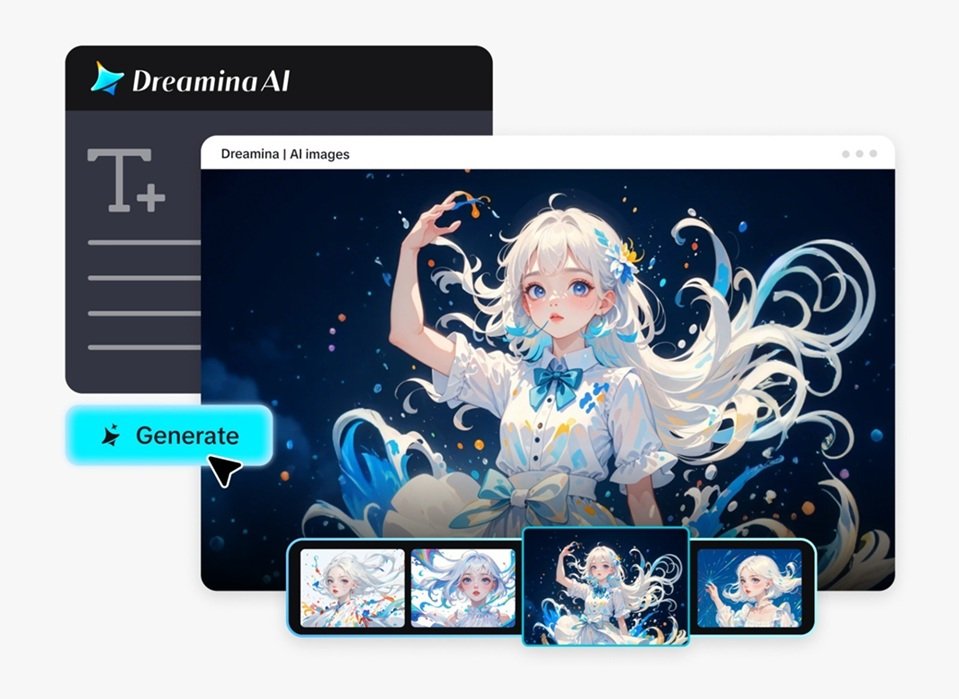
Tools like Dreamina’s AI image generator for illustration can offer assistance to fans rapidly model ensemble thoughts, moodboards, or substitute forms of adored characters. Not as the subject of dialogue, but as a commonsense expansion of the inventive process—much like photo altering or advanced portraying has been for decades.
Nostalgia’s Hold on Visual Storytelling
One of the greatest drivers of today’s stylish patterns is sentimentality. Not fair for ancient characters—but for whole visual eras.
The Pixel Renaissance
What began as an impediment in early video diversions has evolved into its own craft. Modern titles like Celeste and Stardew Valley use pixel art not for ease, but for emotional resonance. The blocky charm reviews childhood, but the narrating and color hypothesis bring a level of modernity to distant past, early 8-bit worlds.
Analog Dreams in a Computerized Era
From VHS channels to film grain overlays, advanced makers continually restore more aged surfaces to bring out warmth, blemish, and humanity. Indie producers cherish the material quality of analog mutilation. Music recordings borrow early MTV aesthetics. Indeed, comics sometimes embrace retro palettes to reconnect with periods when narrating felt more test and less corporate.
These nostalgic styles combine with modern instruments, permitting creators—especially fans—to construct universes that feel both commonplace and brand modern. A maker might imagine a 90s-inspired, mysterious young lady universe, using their own portraits, photos, and moodboards, enhanced by references generated by tools like Dreamina’s AI art generator. The sentimentality remains the center; the device fair makes a difference in shaping the atmosphere.
Cinematic Universes and the Dialect of Epic Worldbuilding
Pop culture nowadays is overwhelmed by broad universes: Wonder, DC, Assault on Titan, Last Daydream, and Star Wars. What makes these universes feel lively isn’t the characters—it’s the subtle elements: abnormal design, typical themes, social ceremonies, prop plans, and scenes that feel like they’ve existed for centuries.
- The visual rationale of these universes regularly rouses ordinary creators:
- Artists construct unique characters that live between the canon.
- Gamers plan fan trailers utilizing stylized mashups.
- Writers outline anecdotal cities or domains for their claim stories.
- Many makers currently create brief videos—mini-trailers, concept scenes, or visual diaries—drawing on cinematic language. Here, a utility like Dreamina’s AI video generator can assist with temperament concepts, pacing tests, or testing groupings, sometimes completely enlivening or altering them. You can upload your image and text prompts, then let it generate in minutes. It’s no different from producers using animatics—tools that essentially offer a quicker outlining method.
- The worldbuilding remains the centerpiece. The fan culture remains the heart.
When Pop Culture and Individual Character Collide
Visual universes also shape personality. Individuals embrace aesthetics, vaporwave, cottagecore, dull academia, and not fair as design but as passionate frameworks.
- Pop culture universes have gotten to be mirrors:
- A young person might discover strength in the defiant, neon grime of cyberpunk.
- Someone feeling separated may interface with the cozy idealism of slice-of-life anime.
- An individual seeking a place may resonate with the courageous coming-of-age themes in shōnen stories.
- Fans make craftsmanship, view alters, playlists, and brief video circles to express these sentiments. These manifestations offer communities assistance in shaping and developing. Inventiveness becomes a form of connection.
- Rather than being detached shoppers, fans effectively shape the enthusiastic visual culture around them.
Imagining the Future of Pop Culture Worlds
As pop culture proceeds to advance, so will the way we visualize anecdotal universes. We’re currently seeing developing trends:
Hyper-Stylized Minimalism
Sleek, striking shapes and restricted color palettes—popular in indie diversions and animation—may have indeed become more noticeable as groups of onlookers pine for clarity in the midst of advanced overload.
Cozy Maximalism
A blast of surface, clutter, and lived-in detail, propelled by Studio Ghibli homes and daydream RPG bars. These “warm spaces” reflect a social thrust toward consolation in questionable times.
Retro-Futurism Reimagined
The taste that once looked forward presently looks backward—what did the past envision the future would be? We may see modern reinterpretations mixing mid-century positive thinking with present-day anxieties.
Fan-First Micro-Worlds
Communities progressively construct their own shared universes—small, hint, test universes that live on social stages, Friction servers, or specialty gatherings. These universes aren’t driven by organizations but by collaboration.
As fans and makers create these emerging aesthetics, available creative tools—sketch apps, editing tools, AI-assisted visualizers, 3D generators—will help them outline ideas faster. The apparatuses are companions, not subjects.
The genuine story remains the creative ability itself. With tools like Dreamina, you can easily turn your ideas into visuals and show your creativity.
Pop Culture as a Collective Vision
In the conclusion, envisioned universes are not fair amusement. They are a social document of our trusts, fears, and wants. Each striking comedy board, each reminiscent diversion scene, each epic motion picture shot contributes to how we dream collectively.
And as fans reinterpret, remix, and revamp these dreams, pop culture gets to be a shared canvas—one where anybody can contribute, whether through drawing, filmmaking, ensemble planning, composing, or exploratory visual tools like Dreamina.
Worlds extend when individuals set out to envision them. And pop culture flourishes since millions of creative impulses collide and advance together.